

Our Favorite NYC Artists’ Favorite Artists
We asked artists, a ceramicist, and a writer to help us curate a holiday market


This past weekend Partiful threw a curated holiday art market.
I can’t tell whether ‘curation’ or ‘community’ won buzzword of the year, but curation now seems to govern everything - members clubs and dinner parties, cultural tastemakers whose opinions take on an almost scriptural authority, the mutuals who decide whether someone is worth following.
Good curation is useful, even essential, when everything’s competing for your attention - it helps you get to what resonates quicker and actually form taste instead of just consuming and scrolling endlessly.

But there's a threshold where curation stops refining taste and just starts replacing it - where that helpful filtering and borrowed frameworks calcify into the only way of seeing.
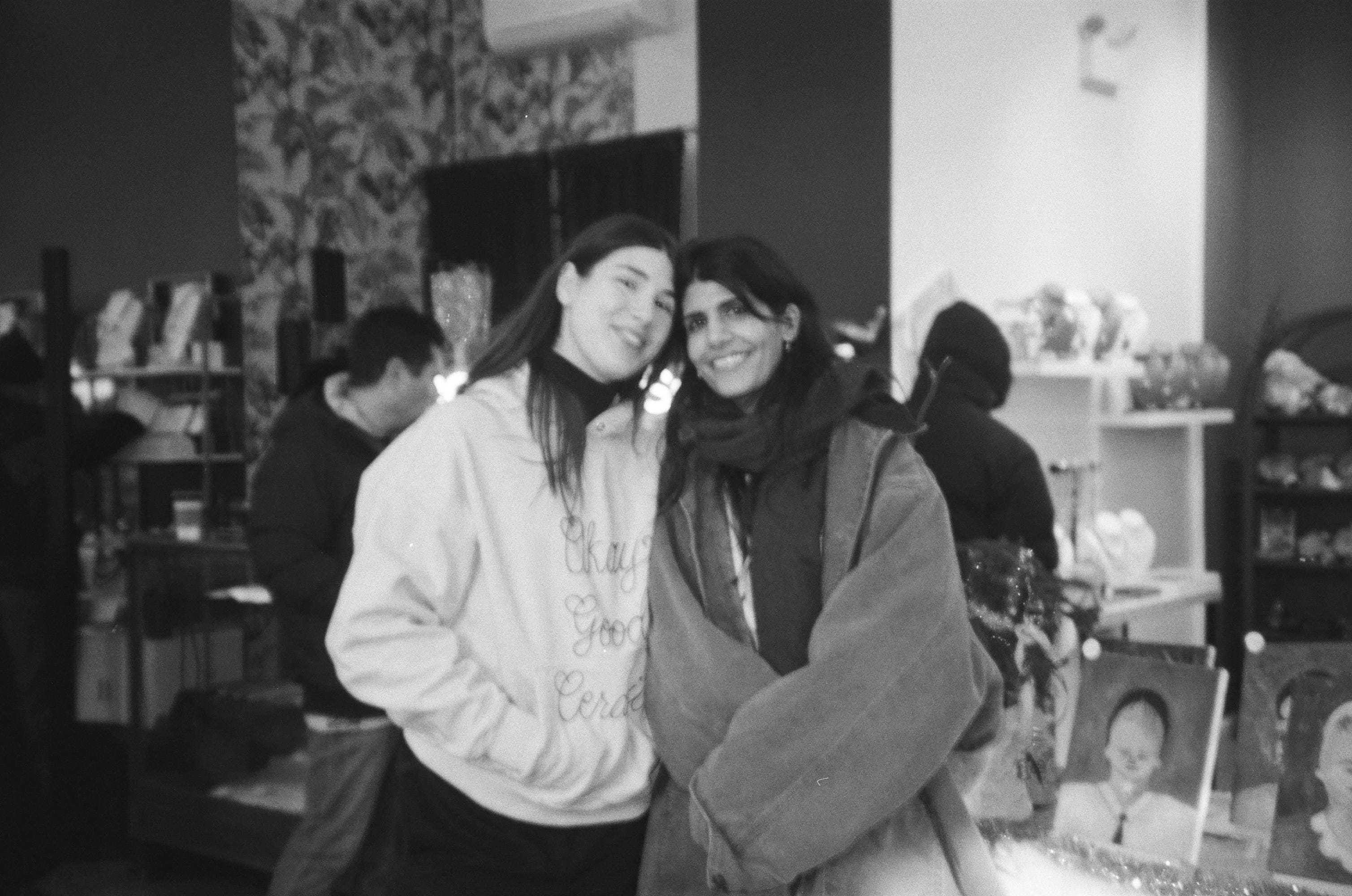
So in an exploration of how to curate responsibly (or at least try), we asked four people to help us curate the artists for our market at 1 Common Collective: Neem (@min3youni), an artist. Kate (@okaygoodceramics), a ceramicist. Kerane (@keranenotkaren), a writer. Yetunde (@yaytuneday), also an artist.
To Be a Curator
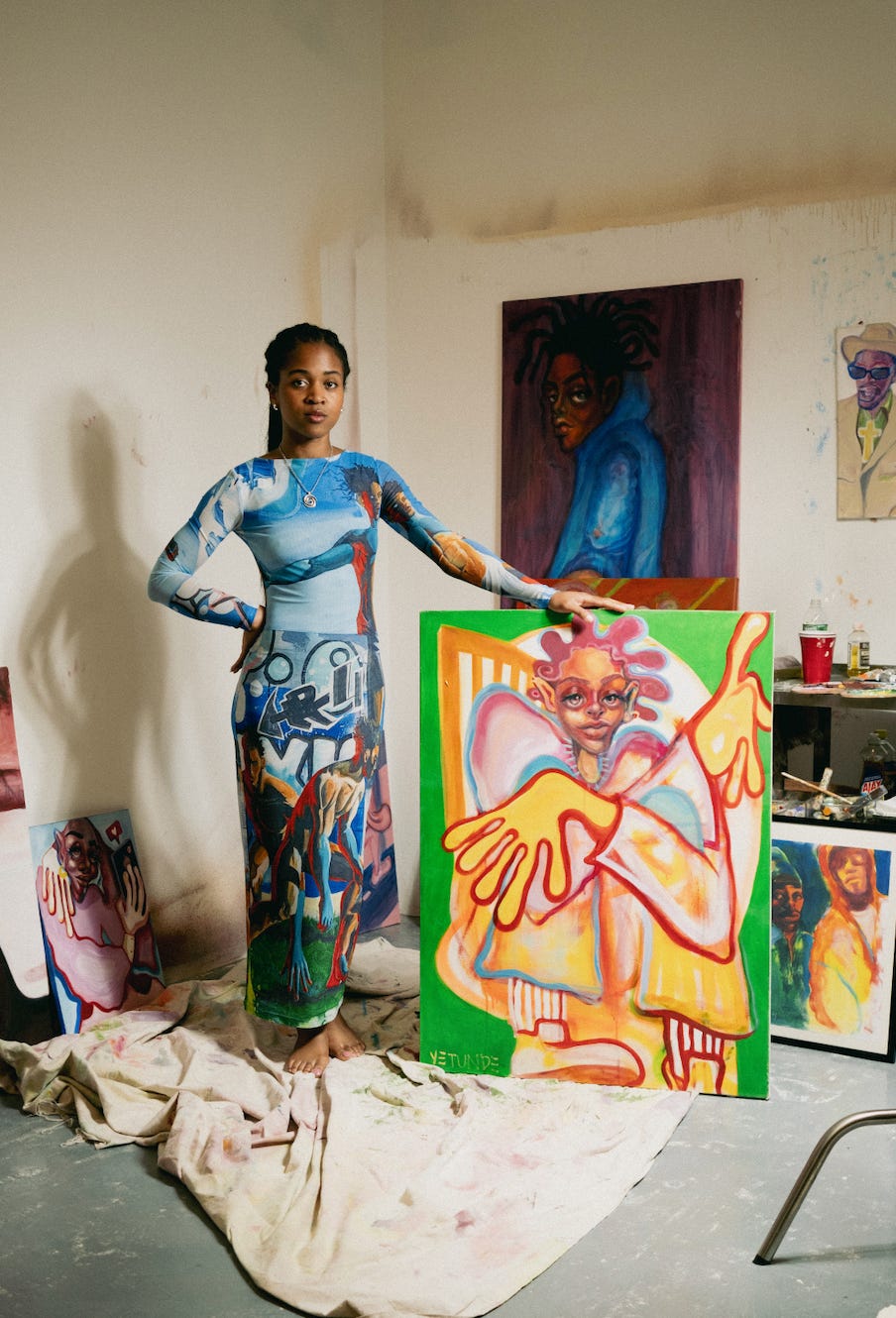
Yetunde Sapp grew up in a house where making art wasn’t just encouraged but assumed. Born and raised in Anacostia, D.C., with artists on both sides of her family and parents who were educators, creativity was treated as a daily practice rather than something you had to justify pursuing professionally.
She’d draw alongside her father, learn by watching and follow what pulled her attention. That culture of care, she says, still shapes how she thinks about art, community, and the worlds she’s building now.
She’s kept every journal and sketchbook since she was three, an archive of “ambitious” ideas sketched out long before she said she had the resources to pull them off.
Today, she’s a 2024 Gucci Changemakers Fellow and 2024-2025 Converse All Star. Her work “Stand with Bre” was acquired by the Smithsonian. In February 2025, she debuted Heirloom Museum - a five-room installation on the Lower East Side honoring her great-grandmother and great-aunt’s migration story.
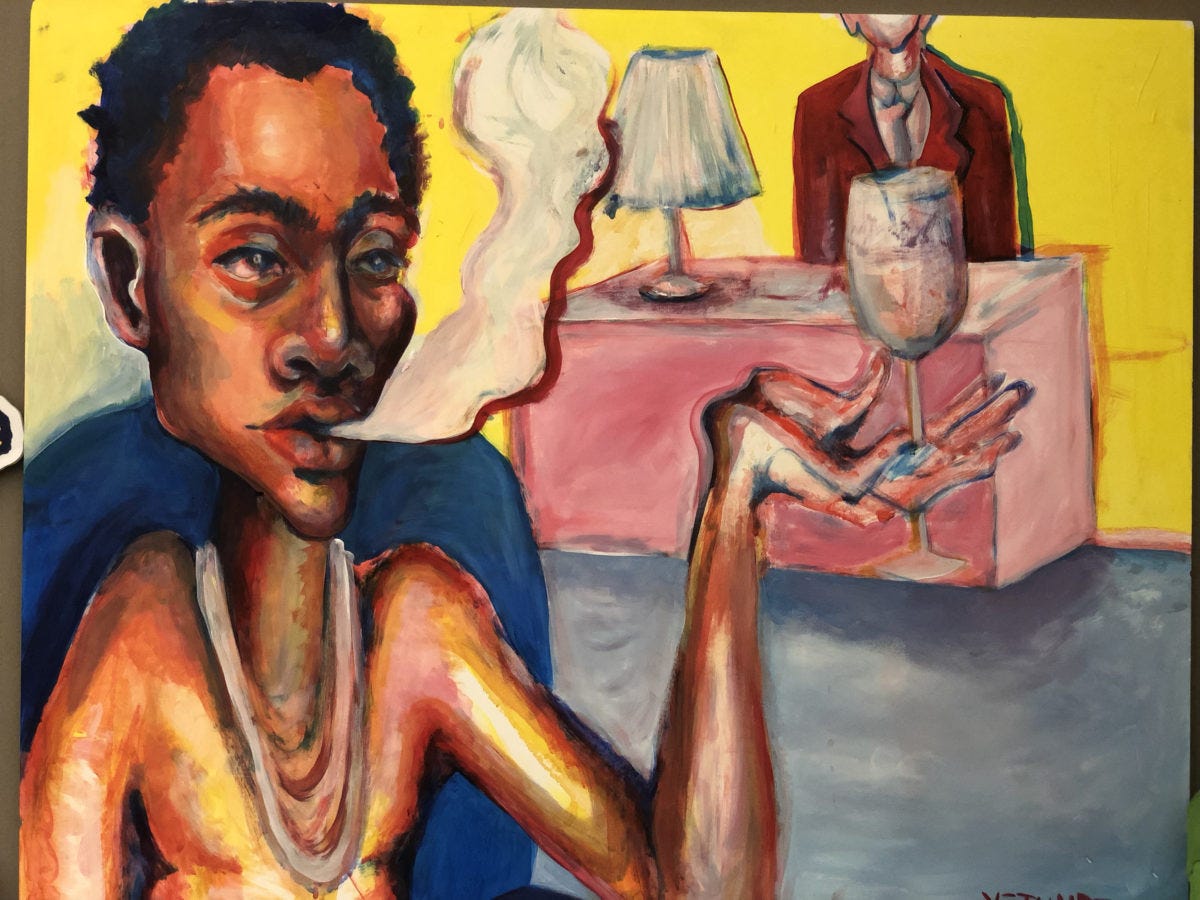
On art as a social act:
“It depends on the medium, but I like using art in community settings because it’s not confined to white walls or gatekept spaces. Anyone can participate,” Yetunde says. “It also gives you the chance to enter a space with intention.”
On choosing artists to work with:
Most times, it’s whoever comes to mind first. She’s drawn to people who are consistent and determined - artists who would be creating whether there was applause or not. “Like Katie [@Yunk.world] - we’ve crossed paths several times, and she’s so consistent with her work. All the artists I picked for the market share that quality: they’re creating to create, not just for an audience, even though they’ve all built one. They’re building their own worlds.”
She also keeps a mental database. “I “doom scroll,” but I’m slowly building an internal archive of everyone I’ve seen online, subconsciously keeping up with projects people are doing, remembering when they put asks out into the internet.”
Her Instagram algorithm is grants, scholarships, fellowships, murals, open calls. It’s about saying: these are the people I want to put in conversation with each other. These are the artists whose work I think deserves more attention and I’m using whatever platform I have to make that happen.
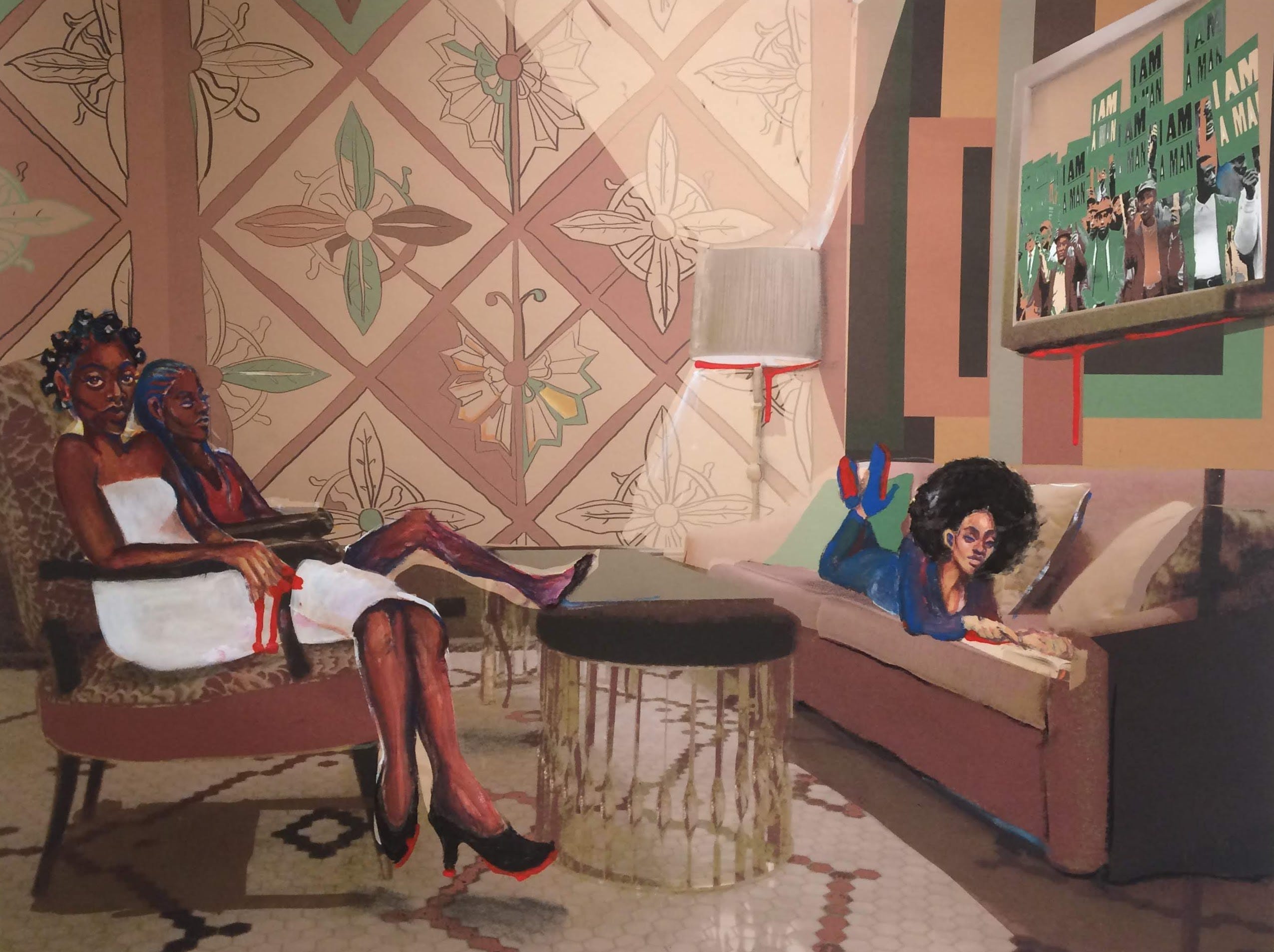
On creating community without exclusivity:
“That’s hard because we live in a world where that is a business model for some spaces,” she explains. She’s been invited places where she didn’t feel welcomed - like the space wasn’t meant for her. Growing up, her mom’s house was always the host house. “I think in that spirit, I try to create spaces thinking: how would my home feel if I invited them in?”
She also tends not to put her personal name on things. She’s had events where people didn’t know it was hers. “And maybe that’s a good thing. It becomes everyone’s space.”
What can people outside the art world learn from the way artists gather?:
Artists are really good at creatively activating spaces and adding elements of play, she says. “Go to museums that invite you to be part of the experience - that break the wall and create environments where people can lean on each other and engage interpersonally. It doesn’t have to just be hanging out with friends, though that’s important too. But there’s something cool about showing up with purpose instead of just existing with each other.”
There’s also a heightened sense of collaboration in everything artists do. When she was working on her last project it required her to collaborate with friends. She wanted to create a device that could play her grandmother’s and aunt’s voices as an instrument. A friend connected her with someone, and they built it together. “It’s about leaning on each other’s skills and building something new together.”
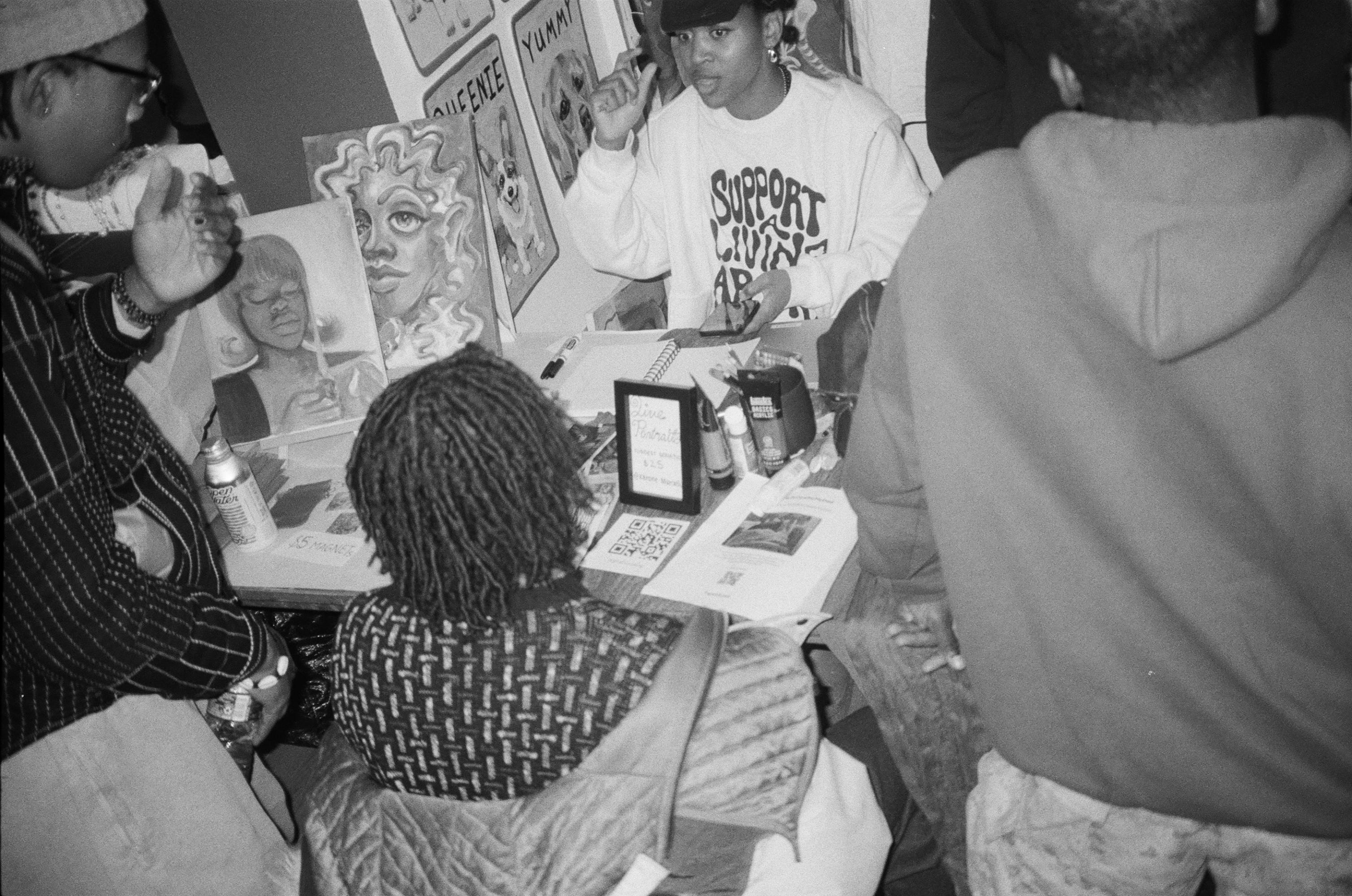
The Curation
Meet 16 of the market’s artists:


Artist: Maya (curated by Yetunde)
@mayasapsfordart
Maya is a NYC-based artist exploring multicultural identity through layered compositions using figural line drawings, found media, and bold color. Incorporating torn advertisements, magazine clippings, and Japanese washi paper, her work reflects the fluid nature of the modern multicultural American experience, examining how personal and cultural narratives are shaped in an era of constant media exposure.
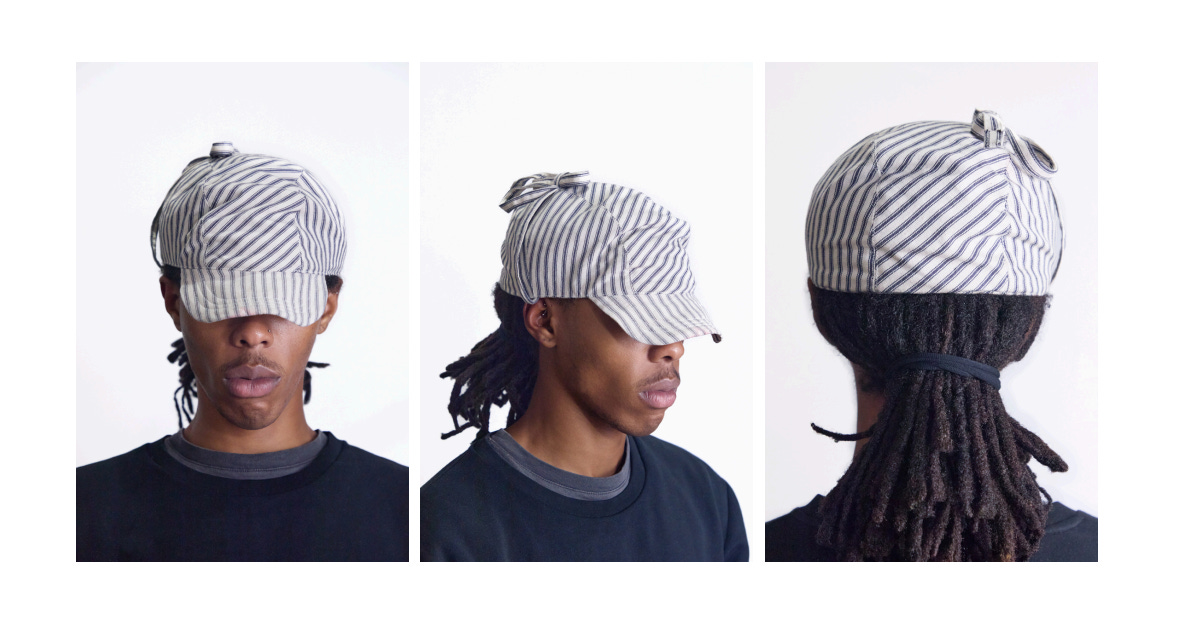
Artist: Matthew (Curated by Yetunde)
@donavan.home
During the pandemic, Donavan Brown taught himself how to sew. Friends - many of them photographers - pushed him to document what he was making and take it seriously. “The brand started when people found out I could make jeans, trusted me, and paid me to make them,” he says.
In an accessories class, a professor told him: “If you’re selling something and you’re responsible for making it and getting it to people, you have the right to call it a brand. Get a logo, you can always change it later. “At the time, I barely knew how to use a sewing machine. I just knew I liked making clothes and listening to the stories people shared while making them.”
After a run of internships, freelance work, what he calls “a lot of mistakes,” and learning how to ask for help properly, he committed to building DONAVAN with people he trusts. Marc leads art direction and brand visuals. Brown handles design and production alongside Yogyaan, the team’s design assistant. Rash and Antonio cover photography, film, and the website and socials.
The brand is named after his uncle. “Despite the chaos of my household and the instability of our immigration status, he had a way of making everything feel lighter - at least from the perspective of a child.” That history lives alongside others: his grandfather, a tailor who raised ten children; his mother, who worked as a factory sewer in Jamaica and wanted nothing to do with garment work after immigrating to the United States. “Clothing was always present in my life, even before I understood it.”
“Nostalgia and intimacy sit at the center of the brand,” Brown explains. “DONAVAN creates space - through clothing, artwork, and community - for Black identities to exist fully, even when that makes people uncomfortable. I’m always asking how to build something my younger self would love and want to care for.”
As a menswear label, DONAVAN asks a simple question: “What if those stories had more room to breathe - less brief, less heavy, and given the chance to evolve?”
Artist: Pearl
@_pbnoj


Pearl is a jewelry artist currently based in Brooklyn, NY. She recently studied metalsmithing at FIT and has been making wearable art for the past two and a half years.
“My work is about bridging the gap between the jewelry world and the art world. I want to test the boundaries of what we see and know jewelry to be. I am passionate about the invention of wearable art and sculptural jewelry.”
Artist: Jensen
@jensen_studio


A metalsmith by training, Jensen works primarily in recycled precious metals, creating what she describes as “small-batch, hand-fabricated jewelry using symbolic motifs and narrative-driven design.”
Each piece is made with quiet kindness and a palpable care. Her practice, she says, is “rooted in play, ritual, and the belief that jewelry can be both an object and an anchor.”
Turner is drawn to the stories carried in heirloom materials, approaching jewelry not as ornament but as something essential - objects made to hold memory, mark resilience, and be touched so often they slowly take on the shape of the wearer. Her pieces become chosen rather than inherited heirlooms. “My work explores memory and resilience,” she says, creating jewelry that feels “intimate, tactile, and alive.”


Curator and Artist: Kate
@okaygoodceramics


Kate has spent years learning what clay will and won’t tolerate. It’s a material that requires negotiation - too much force and it collapses, too little attention and it warps in the kiln. “Clay holds patience, labor, and care,” she says, “but it also leaves space for imperfection.”
Her practice spans functional wares and sculptural objects - mugs that sit comfortably in the hand, vessels that seem to breathe. Each piece carries the marks of its making: thumbprints, slight asymmetries, surfaces that refuse uniformity.
She describes her aesthetic as “beautifully wonky,” a deliberate embrace of what happens when craft meets improvisation. The work draws from her travels, the quiet intimacies of domestic life, and her experience as a queer artist.
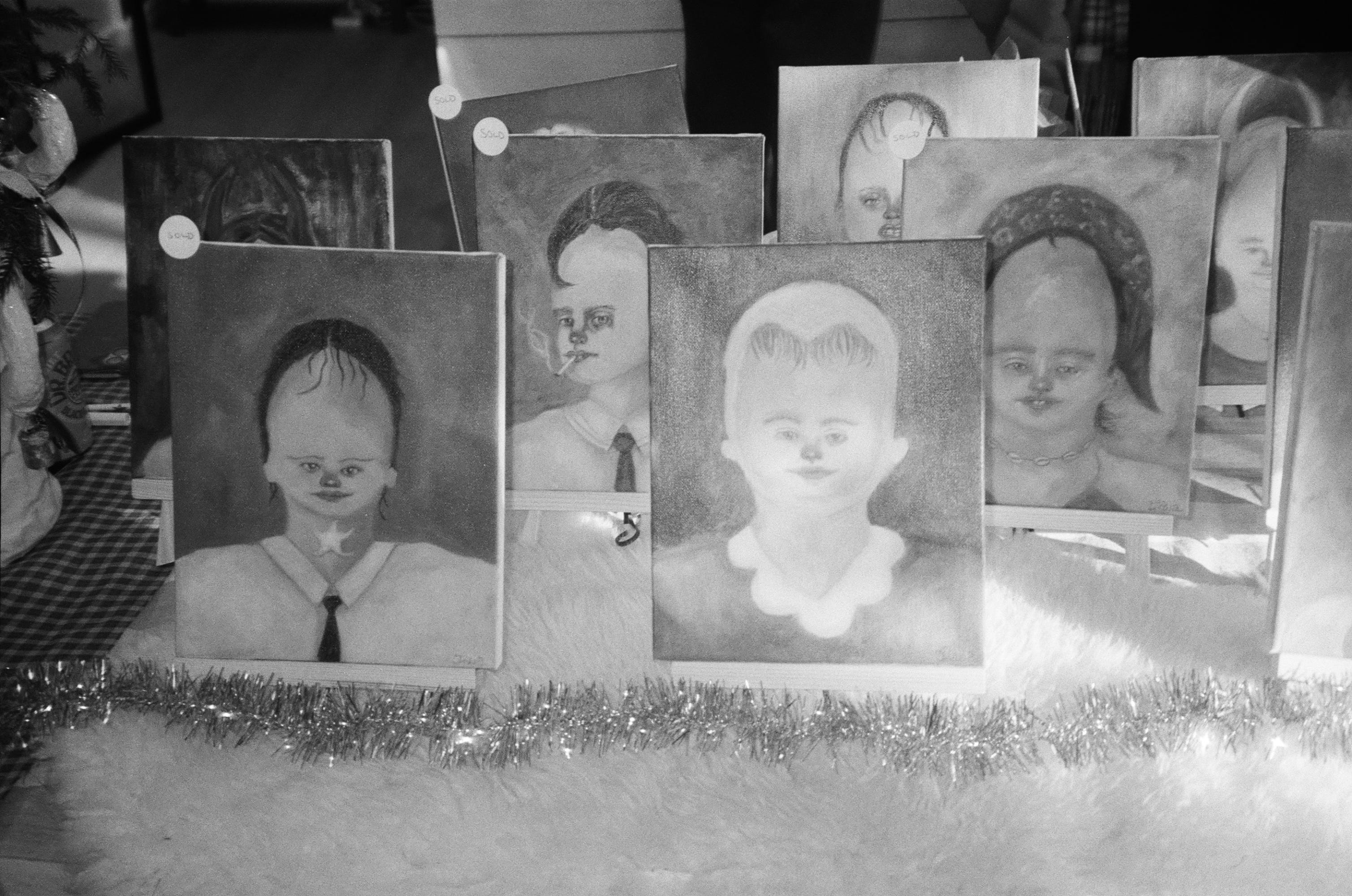
Artist: Natasha (Curated by Kate)
@cherryjiwa


Natasha, a Vancouver-born painter now working in Brooklyn, creates what she calls “imaginative portraits” - figures that arrive fully formed in her mind. “My work lives somewhere between tenderness, mystery, and the everyday,” she says - a threshold space where the familiar becomes strange and subjects feel both intimate and unknowable, like people you’ve seen before but can’t quite place.
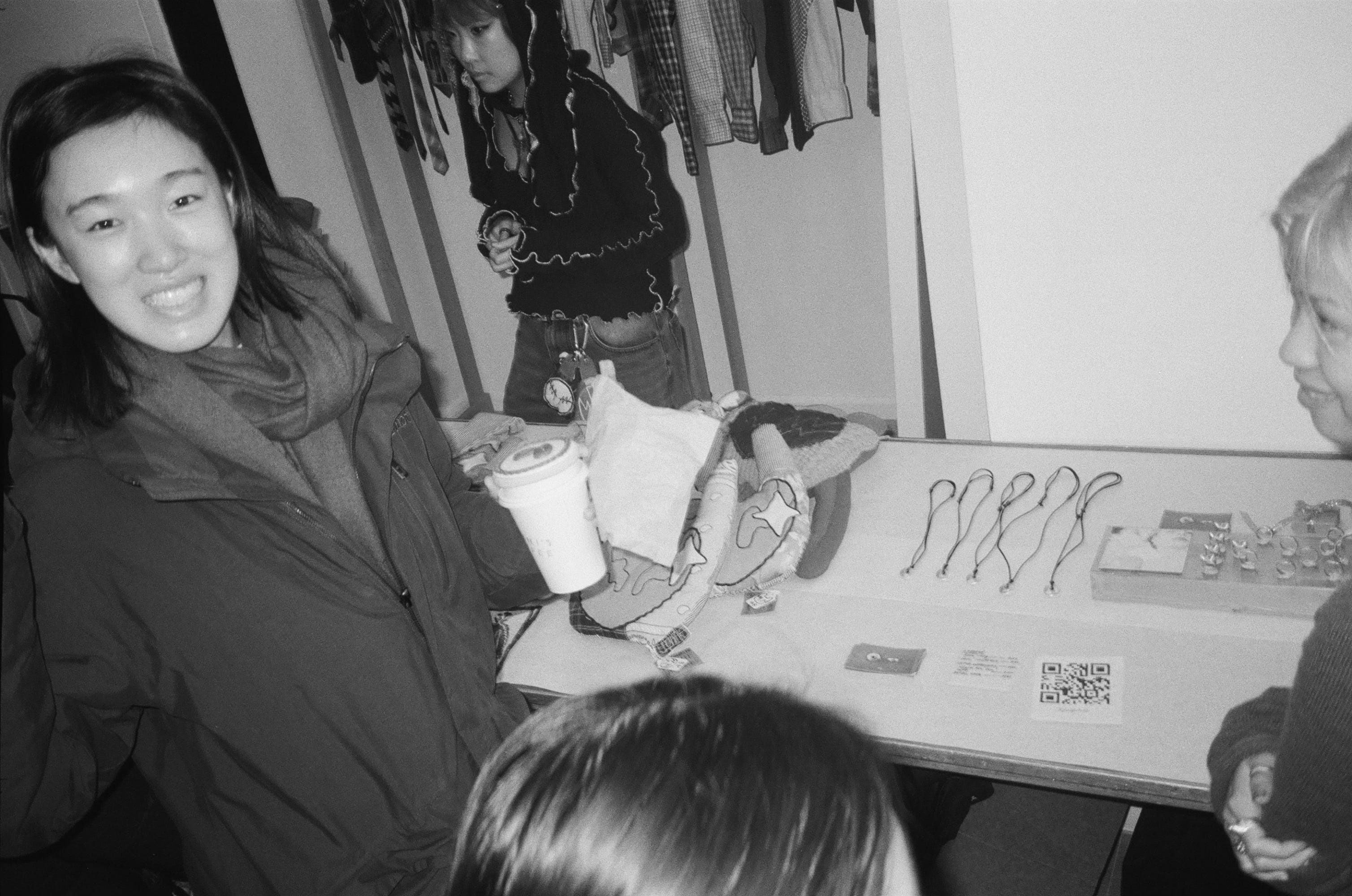
Artist: Jayi (Curated by Neem)
@jayimei


Jayi Mei is a metalsmith with training in both ferrous and non ferrous metals. Her focus is currently in fabricating silver jewelry. Her work varies from large pieces such as sofas and bedframes to tiny silver rings. A large aspect of her work often includes social commentary on objects. Overall, her work is playful with hints of sentiment and secrets.
Q: Why you decided to first start using braille in your designs?
A: “i Feel like I’m searchin for something I can’t see, and i feel toothless because I can’t tell you about it, but it definitely exists, I can feel it, it’s imprinted on me. I’m Translating this: feeling—> Tactile experience (braille)), communication & community, forever vs temporary exclusivity & accessibility”
Artist: Erica
@ericaandko
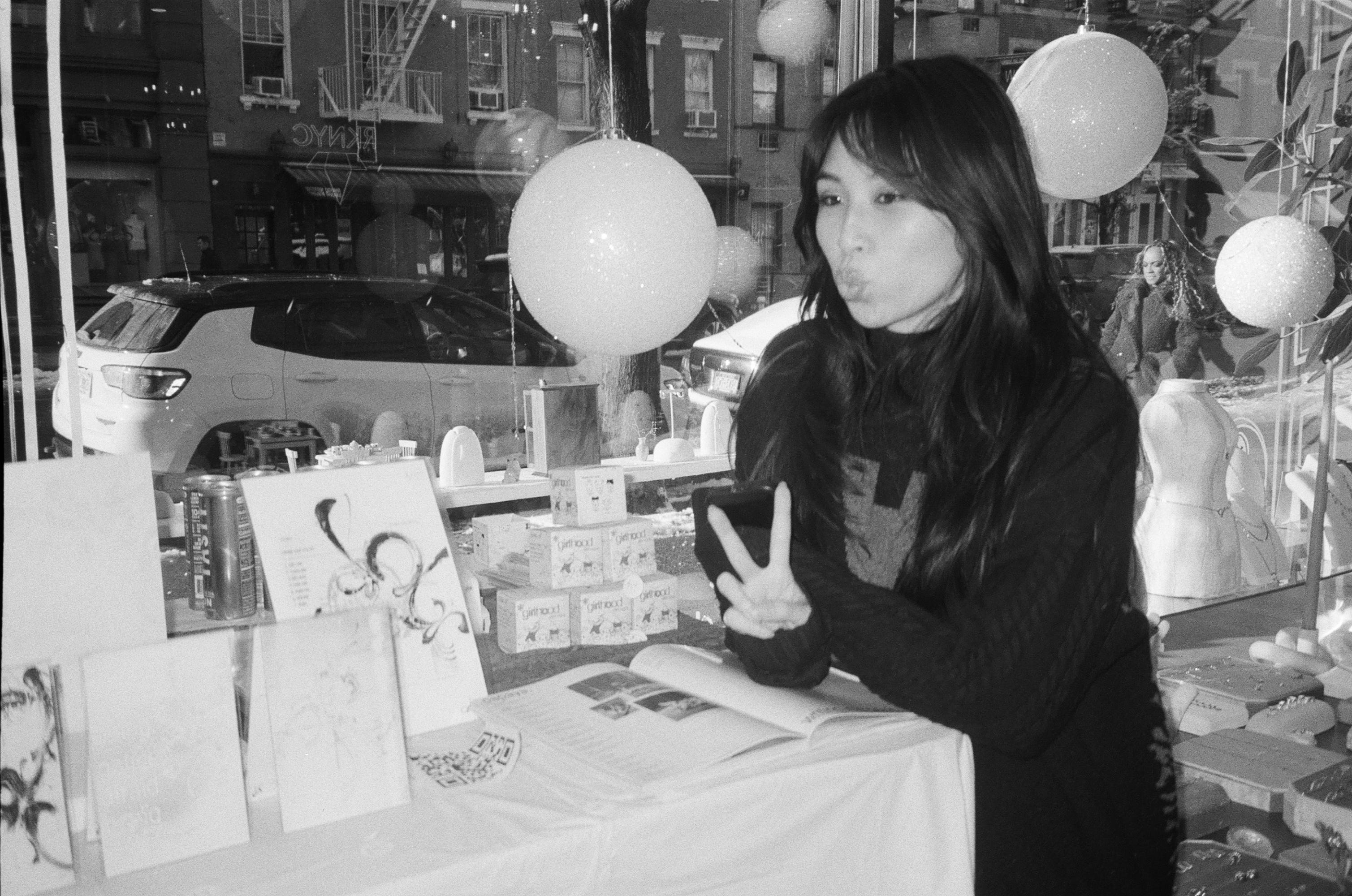
Erika and Paints.v recently released girlhood_v?, an art book developed with submissions from women across the world. Shot over two days, the project is what they describe as “a love letter to growing up - for every individual who has experienced Girlhood - its tenderness, its chaos, its power.”
Co-led by the two artists, the book showcases Paints.v’s work through five distinct alteregos, each reflecting different lived experiences of girlhood. “In celebrating the lighthearted, fun aspects of girlhood, we strove to also honor its deeply personal and intimate moments,” they explain. The project included submissions from what they call “friends, muses, and visionaries” - women who shaped the creative direction and embodied the alteregos.
Though time limited how many could participate in the book itself, a Discord community of over two hundred women has continued to grow around it. “It’s a digital extension of our mission,” they say: “to nurture creative collaboration and make space for the full spectrum of femme experiences in an industry that too often sidelines it.”


Artist: Polly (Curated by Kate)
@modhemia
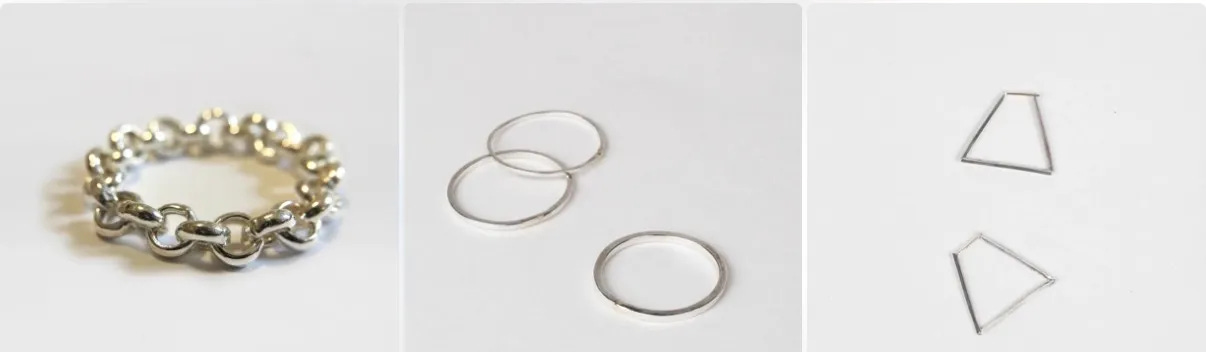
Polly has spent a decade working through New York’s jewelry industry before launching Modhemia, what she calls “my own little dream.” The brand is built on sustainable practices - pieces handmade in her Brooklyn studio using recycled metals and locally sourced materials where possible. “We strive to create classic treasures that will be your everyday go-to pieces and be worn for generations,” she says.
Artist: Katie (Curated by Yetunde)
@yunk.world


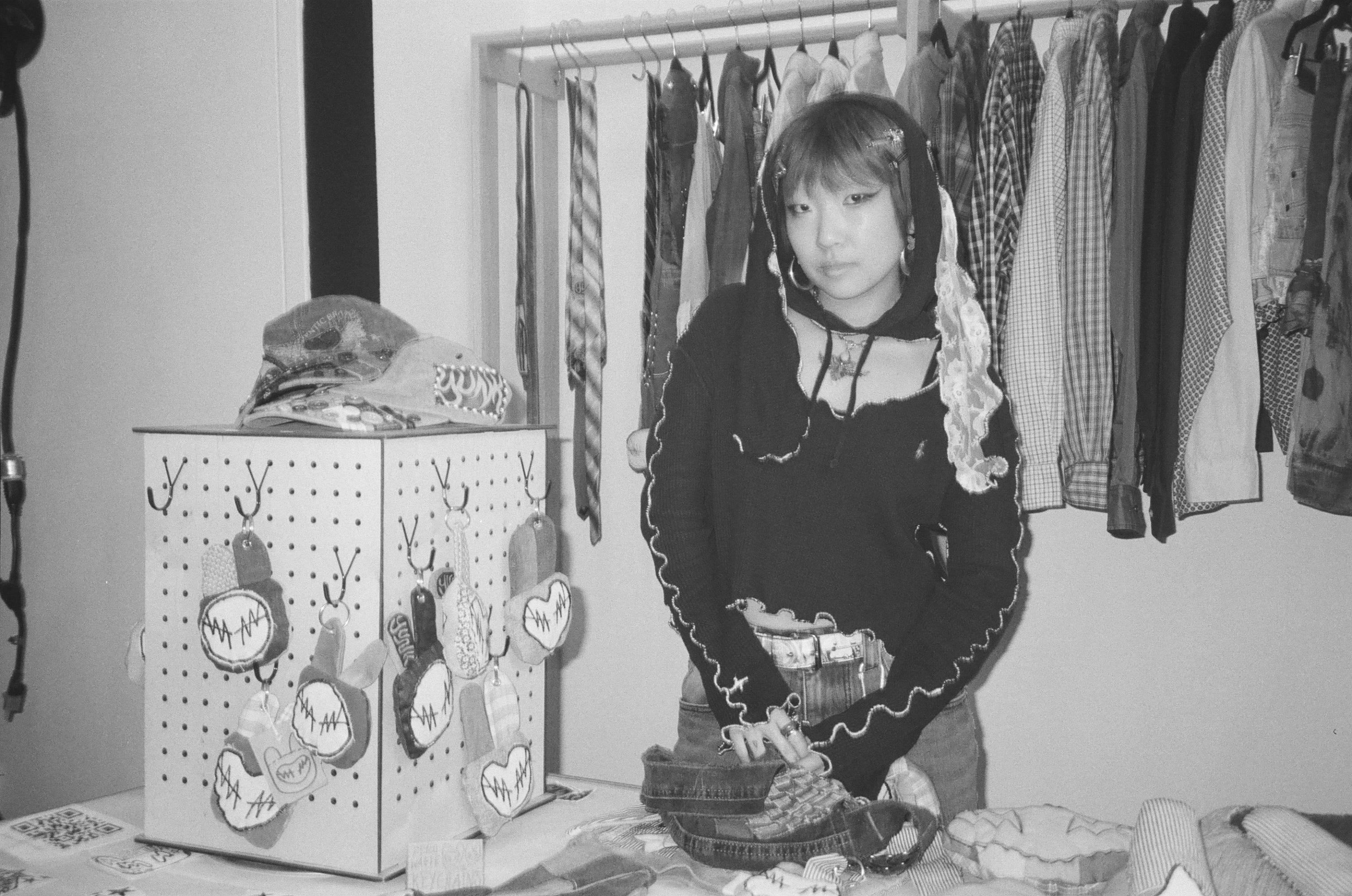
YUNK explores experimental techniques to create one-of-a-kind clothing and accessories from upcycled materials, with a secondary practice in zero-waste soft textile “plushies.” Each piece visually illustrates reworked material and is independently made in Brooklyn, New York. The work wears its process openly - you can see where one fabric ends and another begins, where something was salvaged and given new purpose.
Artist: Ella (Curated by Neem)
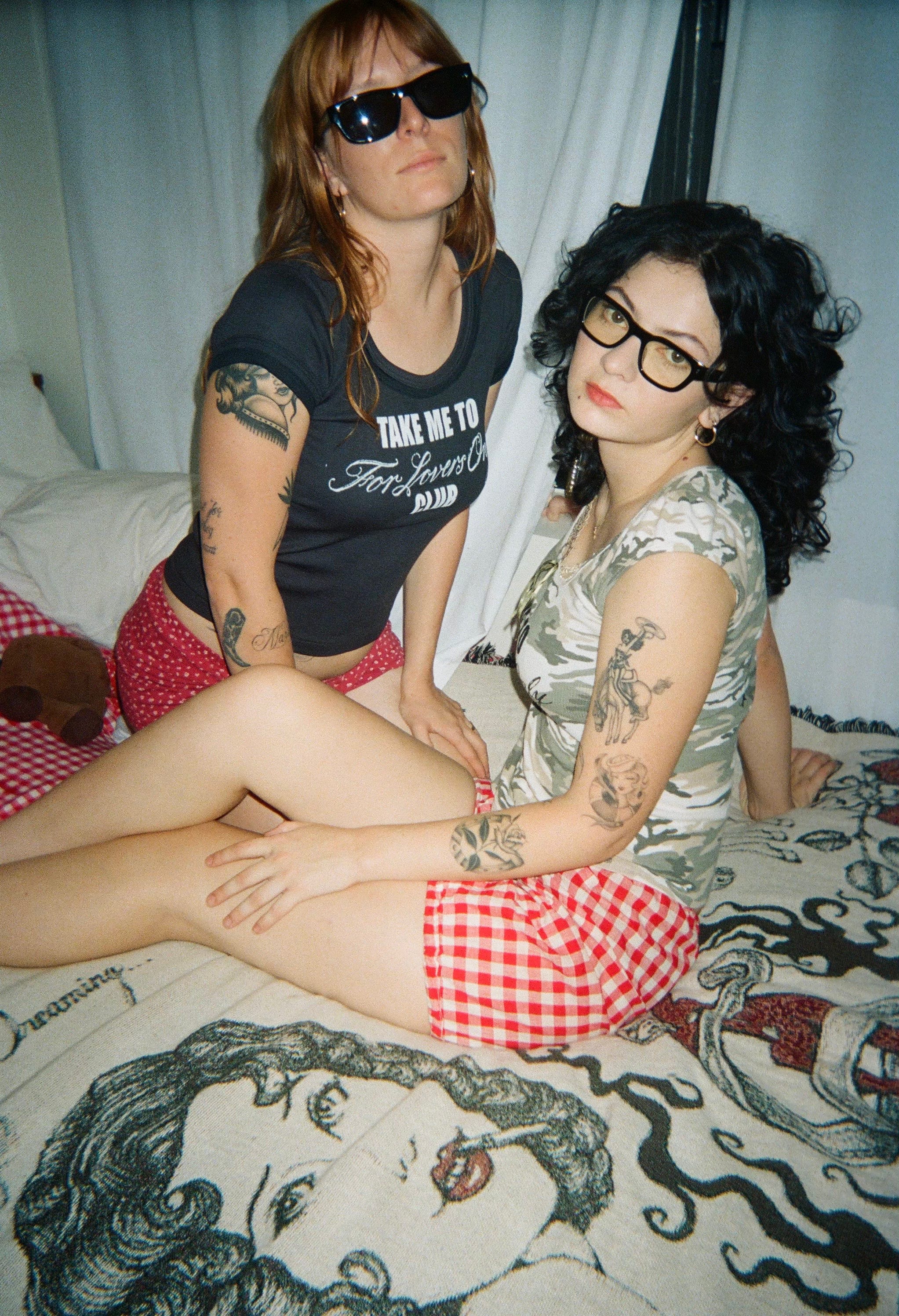
@graphicsgofemme
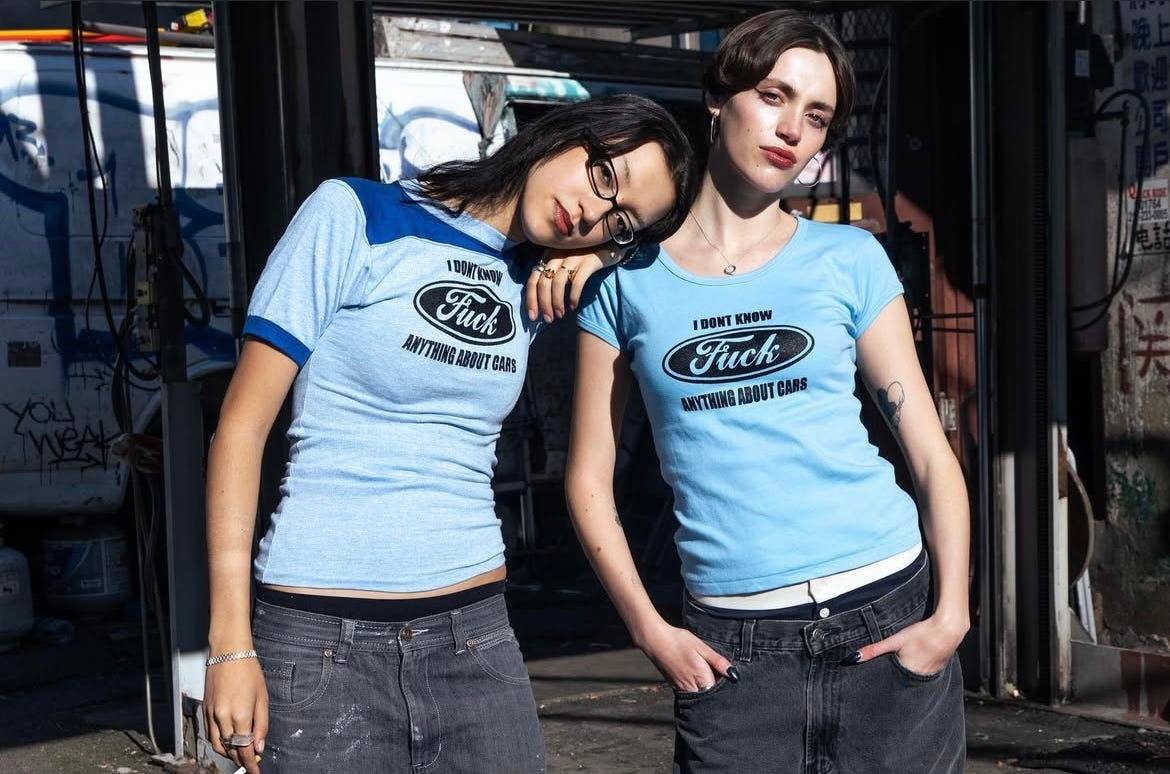
Ella launched Graphics Go Femme in 2019 after taking a commercial art class and discovering she could merge her two passions: art and fashion. “I would screen print my designs onto old clothes I had, and either sold them on Instagram or would vend at local shows in Orange County, California, where I’m from,” she says. She hated that the merch and graphic tee market was “strictly square, boxy, and stiff,” so she tapped into what she calls “the niche of feminine streetwear.” “The best were already doing it - Baby Phat, X-girl, Hysteric Glamour. I just wanted to add to what I was already so inspired from and continue celebrating ‘girl’ culture.”


In 2021, she moved to New York to pursue what she describes as “my dream of having a little brand that connects to people and gets them excited to get dressed in the morning.” Everything is one-of-one - pieces she curates and prints herself “in order to maintain any sustainability I can, in a time where that feels impossibly inaccessible.” Her ethos is simple: “GGF is all about fun and not taking yourself so seriously, all while looking cute.”
Q: What is your favorite place to go out?
A: As a fan of the beer shot combo I mainly stick to dive bars and think that some of my favorites would be Mona’s, Honore Club, and maybe The Drift…
Q: To shop?
A: I love my friend’s shop in the two bridges mall called Ty Loring. The best vintage and the coolest guy I know is running it!
Q: What do you think people outside the art world could learn from how artists gather, collaborate, and sustain relationships?
A: It’s all about supporting communities and finding community of your own! Visibility, community, and lifting up artists is so important right now in a time of AI, so hopefully people that aren’t in the art world can be inspired by creatives authenticity and apply it to whatever they are passionate about!
Artist: Lily and Grace
@shesells_co
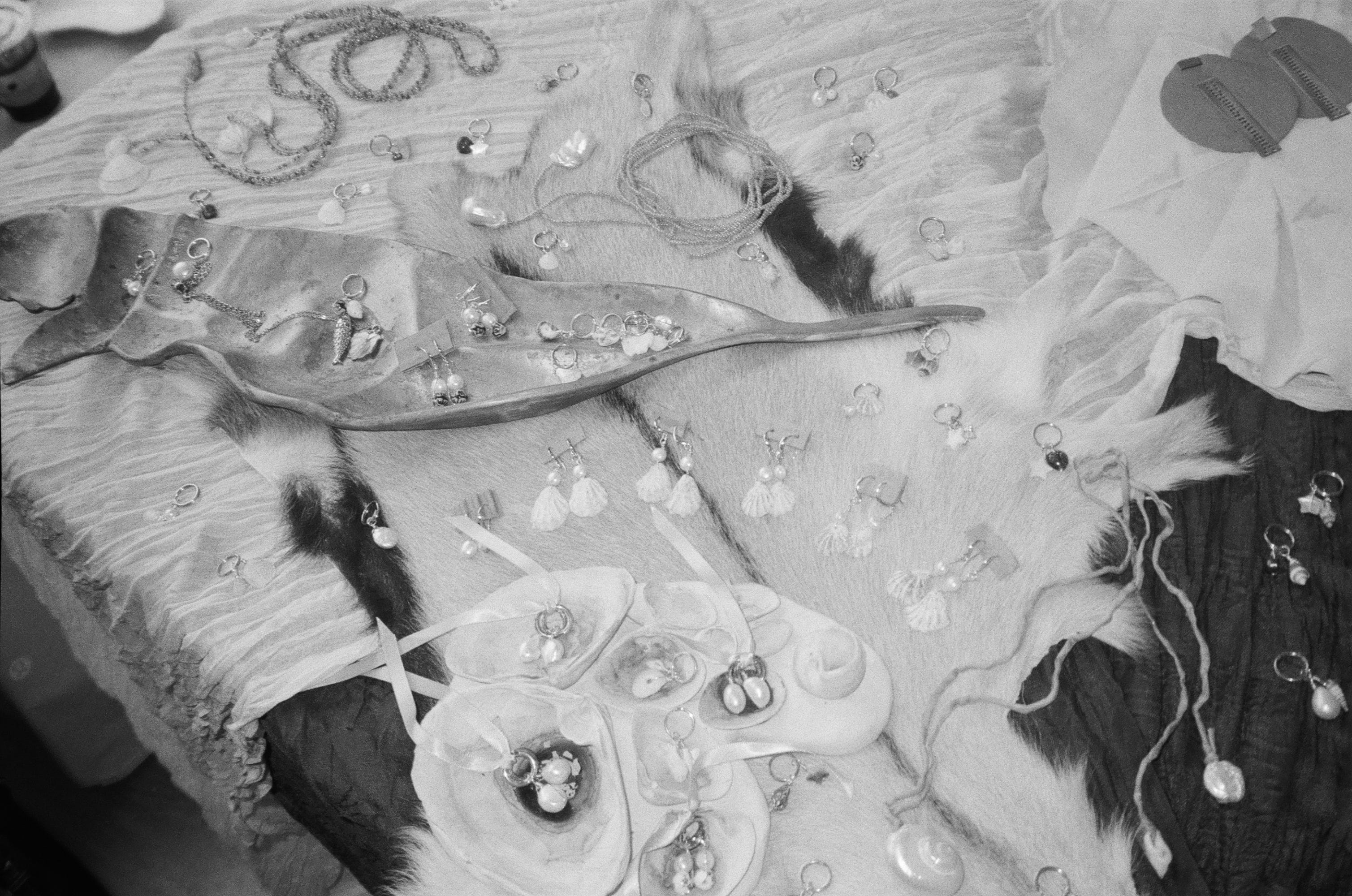
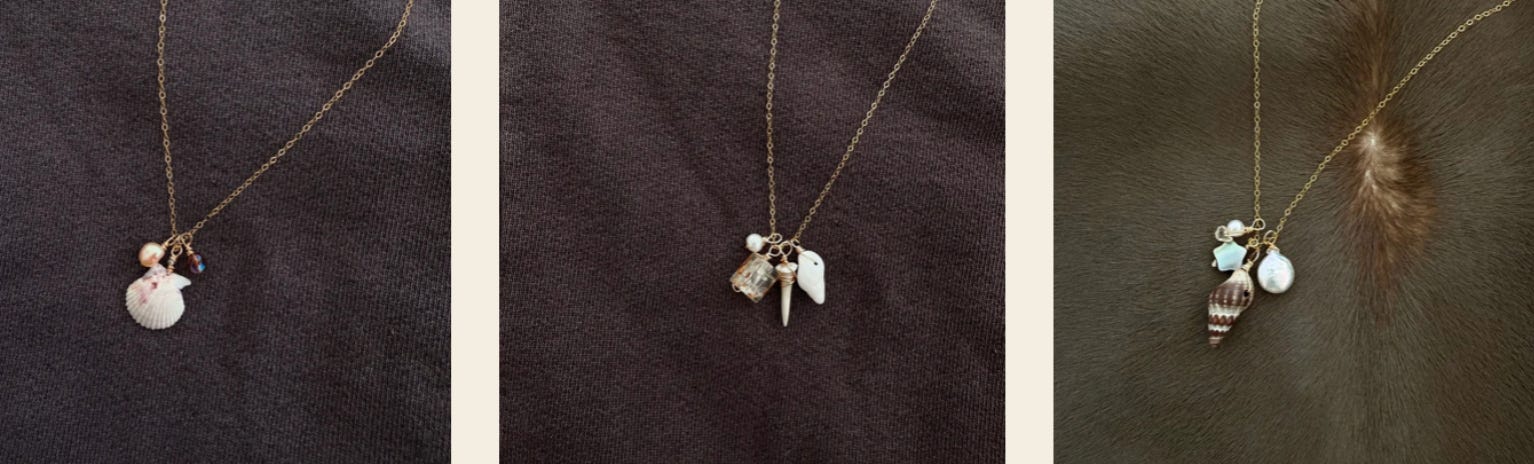
She Sells Co. is a sustainable jewelry brand that provides ocean-centered jewelry for everyday wear. Lily and Grace started the brand “to create wearable pieces out of their extraordinary, one-of-a-kind beach finds and to raise money for environmental causes.” The brand donates partial proceeds to marine-focused environmental nonprofits in Rhode Island, where Lily and Grace grew up. All She Sells Co. pieces are handmade using hand-collected shells, ceramic, glass, and stone beads, recycled charms, and real metals.


Artist: Jada (Curated by Yetunde)
@jad.a__
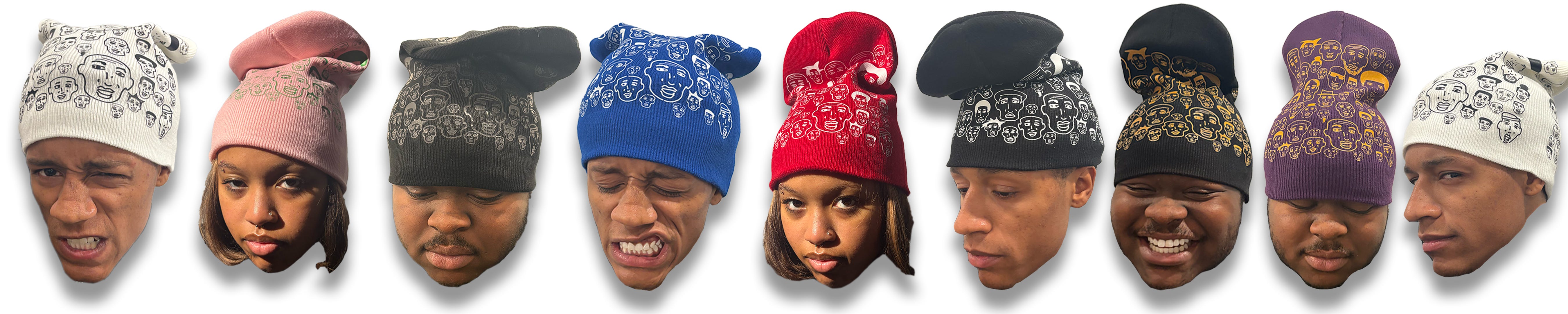
Jada is a conceptual design brand founded in Washington, D.C., in 2019, where all the faces are hand-drawn and screen-printed on the clothing. Each piece functions as both garment and prompt -”the core values of the brand are to foster critical thinking through our products, marketing campaigns, and events,” the founder says.
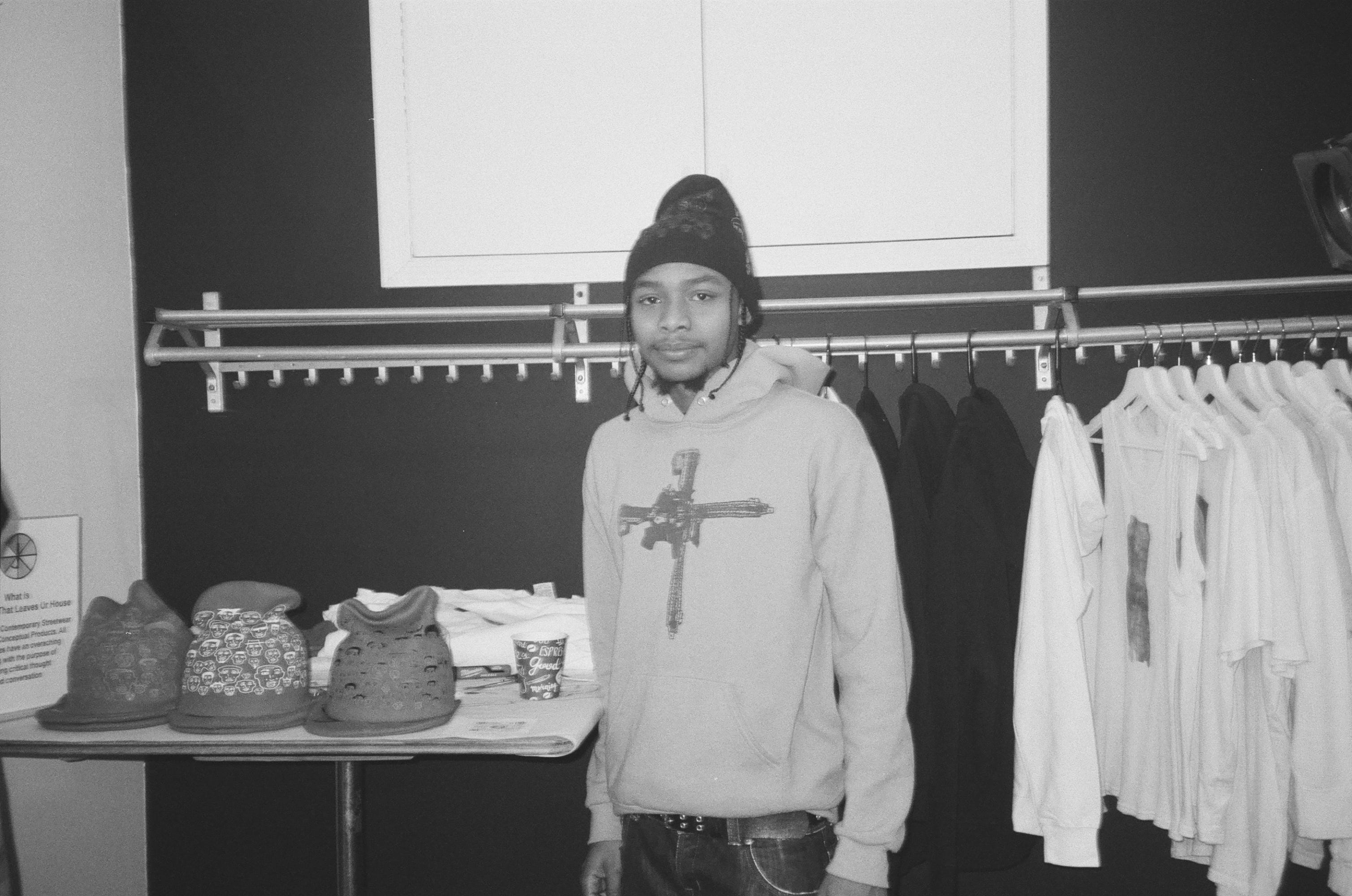
Artist: Morgan
@morganlefaeflowers
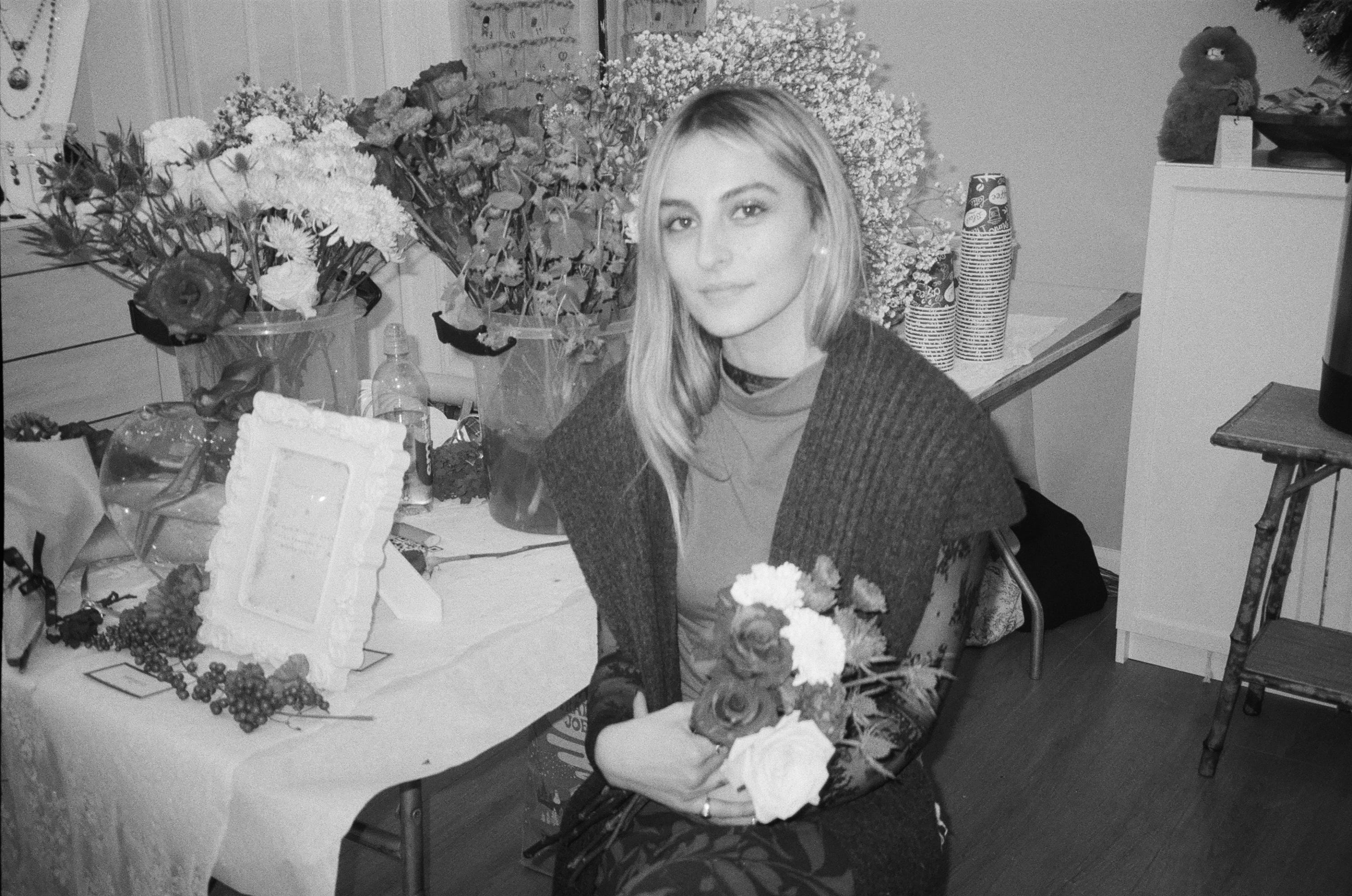
Originally from Colorado and based in New York City, Morgan grounds her practice in honoring nature’s organic beauty. “Through color, emotion, and the celebration of life,” she says, “flowers allow us to bring the essence of the earth indoors.”
Specializing in event floral design, she makes cohesive yet distinct floral pieces that feel refined, intentional, and personal to your space.
“Whether it’s a weeknight dinner, a special occasion, or a simple demonstration of love - flowers should make people feel cared for and seen. They’re personal.”


Artist: Ingrid
@unraveledmoments
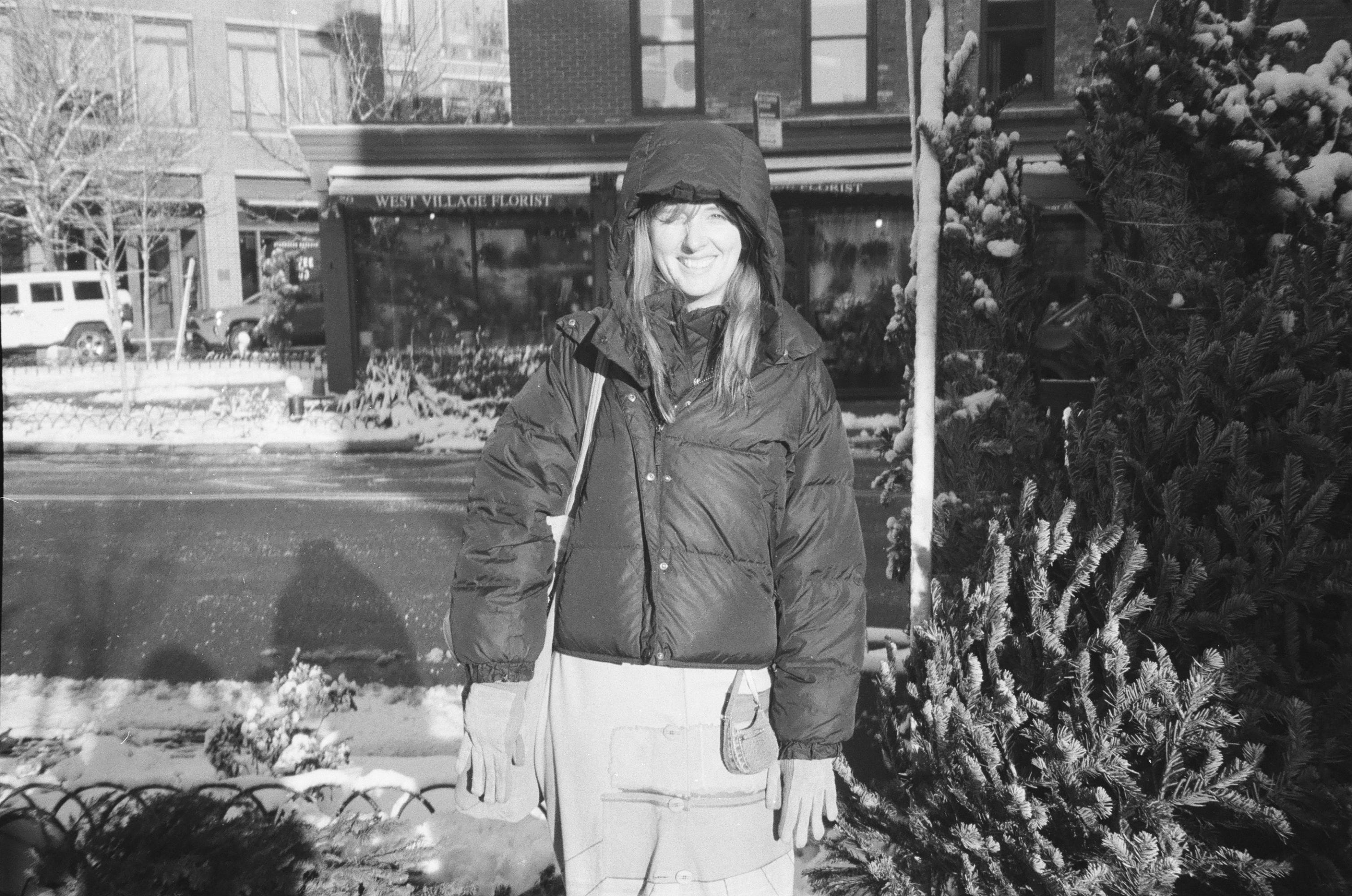
Ingrid sells handmade felt ornaments based on everyday objects. “Using felt and wool roving, I recreate familiar things as small soft sculptures,” she says. “Each piece is made by hand and can be used as an ornament, a bag charm, or just a tiny plush object to keep around.”


Artist: Emilia
@scandishopnyc
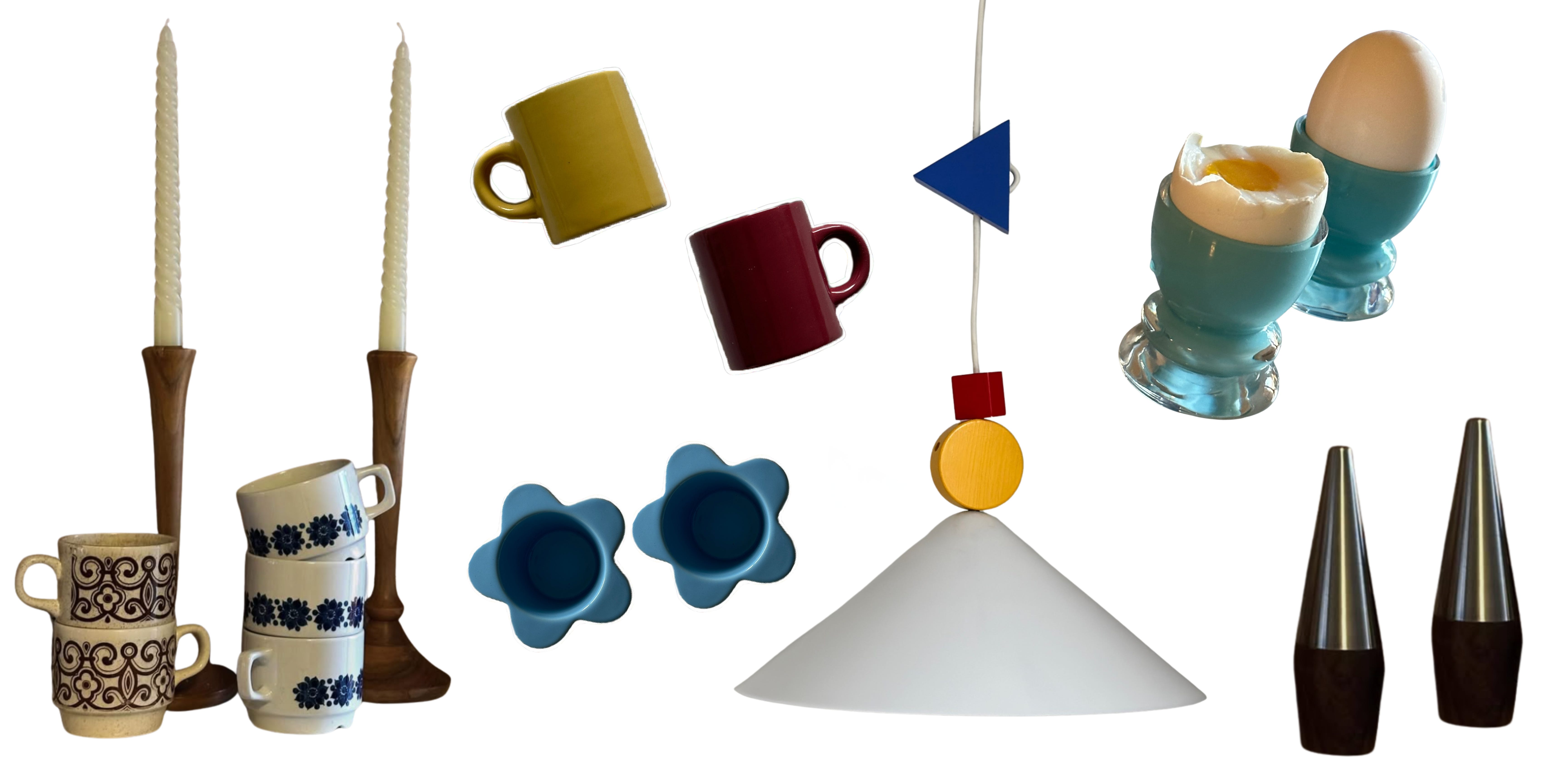
Emilia runs Scandi Shop NYC, offering vintage Swedish homeware, curated for NYC homes. “We bring the best of timeless Scandinavian design and quality craftsmanship directly from Sweden to you.”
Everything Else:
Soundscape curated the perfect playlist for the day <3
crowd_____surfers (Ali and Gutes) & Philiprew both played perfect sets
1COMMON Collective and Heewon Kim were the perfect hosts
and cakebythewaters made perfect cookies xxxx


Not in this market? We want in on the next one! DM us.